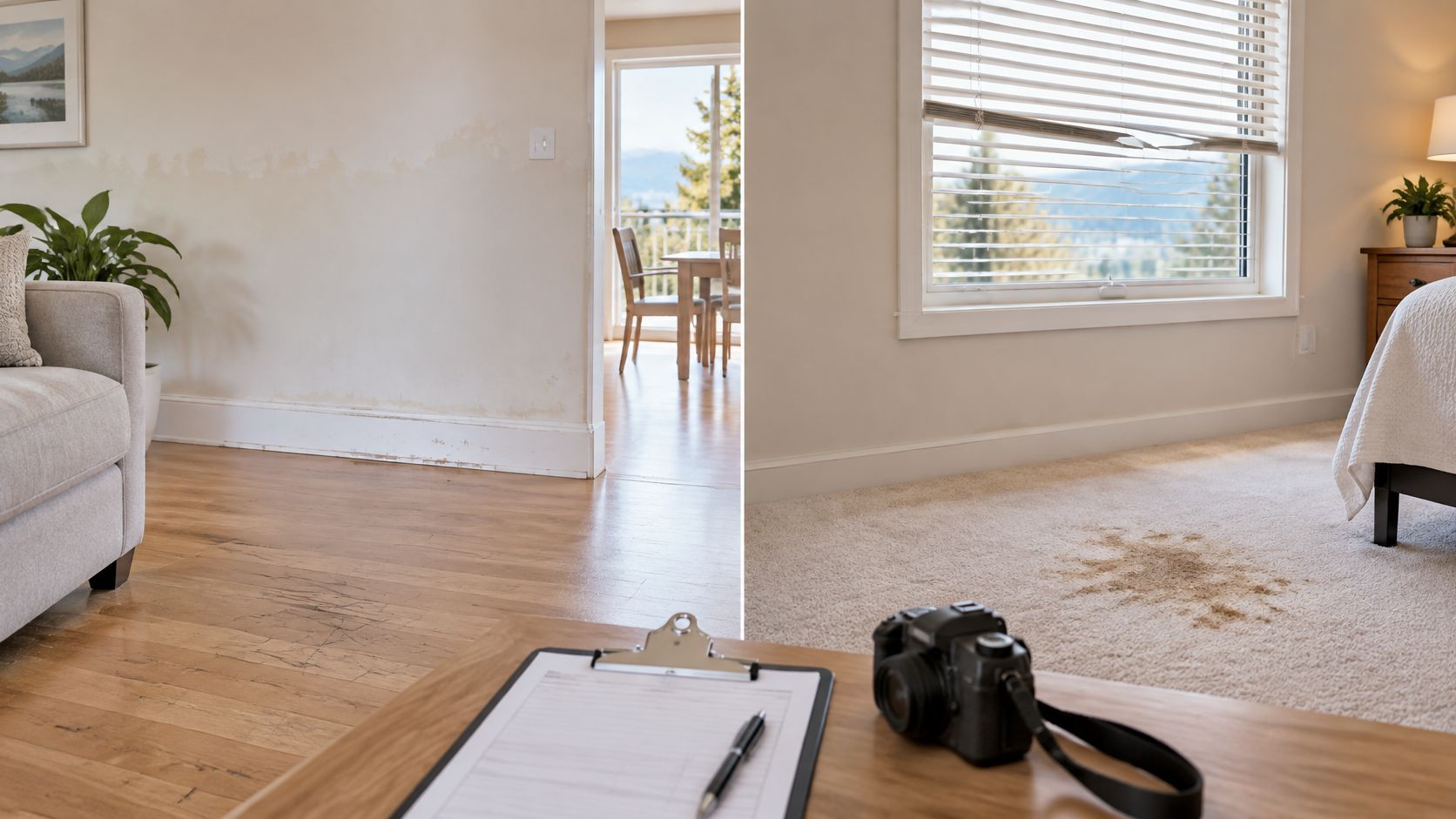
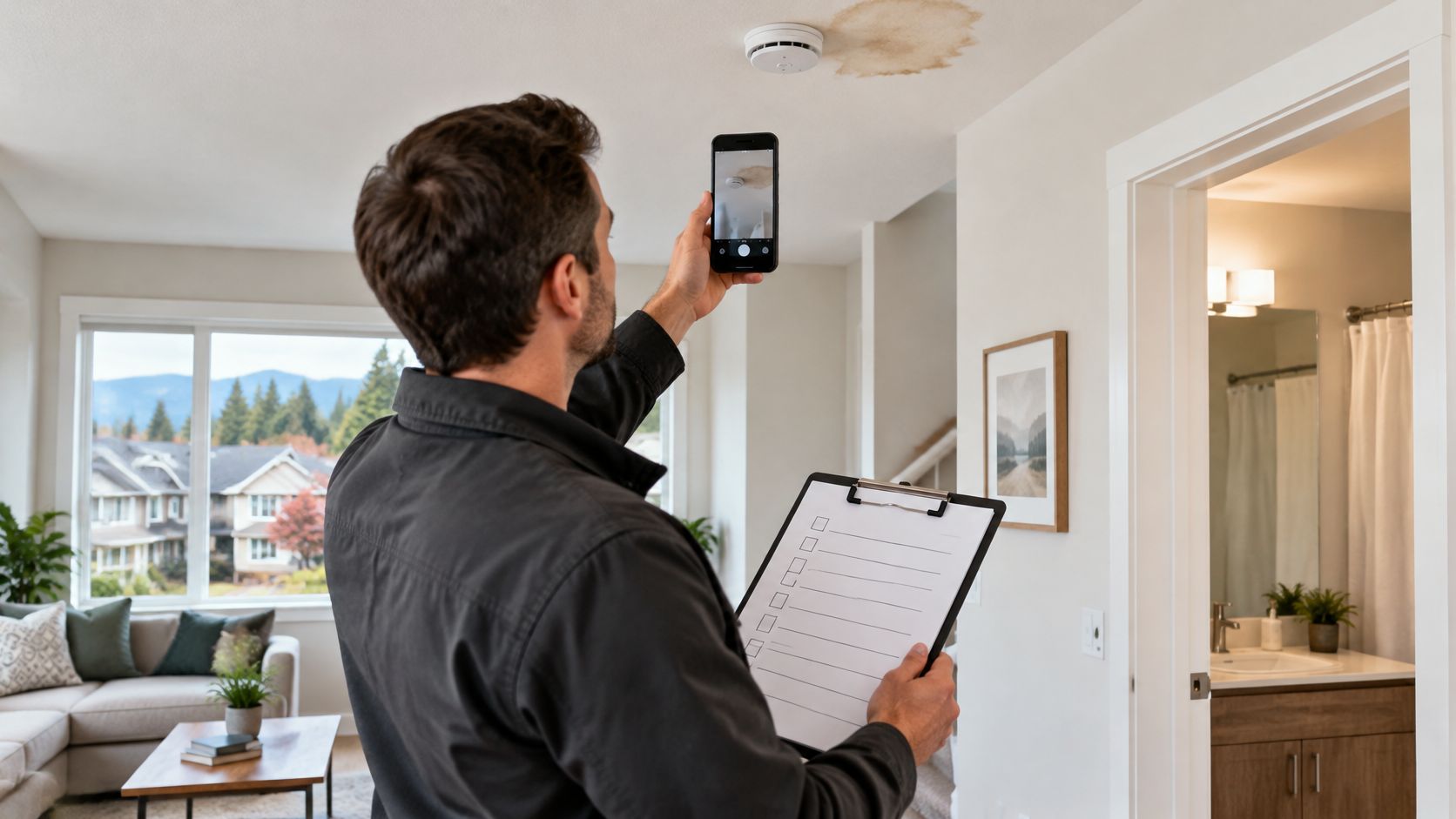
A landlord returns to a Maple Ridge townhome after a tenancy ends and finds a stained ceiling, a chirping smoke alarm and a bathroom fan that no longer works; a BC rental property inspection checklist is the room-by-room and system-by-system review that should have documented those conditions at move-in, during the tenancy and at move-out. Consistent reports, dated photographs and service records allow the landlord to compare conditions rather than rely on memory.
Without that baseline, even a straightforward repair raises questions. Was the ceiling already stained? Did the fan fail recently, or has moisture been collecting above the shower for months?
A useful checklist combines condition-inspection documentation under the Residential Tenancy Act with safety equipment, plumbing, heating, electrical components and exterior drainage. For Maple Ridge and Pitt Meadows rentals, it should also give practical attention to rainwater entry, bathroom ventilation, crawl spaces and window condensation.
The purpose isn't to turn a landlord into a building inspector. It's to identify visible concerns, arrange qualified repairs and preserve a clear account of what happened.
- Record the condition. Describe the location and defect rather than marking everything satisfactory.
- Keep supporting evidence. Match photographs and service records to the relevant room or system.
- Assign follow-up. Note who will arrange the repair and how completion will be confirmed.
The areas below follow that approach. Time-sensitive notice, participation and report-delivery requirements should be confirmed with the Residential Tenancy Branch before an inspection. This is practical property-management information, not legal advice.
Table of Contents
- 1. Move-in and move-out condition inspections under the BC Residential Tenancy Act
- 2. Smoke and carbon monoxide alarm checks
- 3. Plumbing, water heater and leak inspection
- 4. Heating, cooling and ventilation system checks
- 5. Electrical system and safety device checks
- 6. Doors, windows and locks inspection
- 7. Exterior, roof, gutters and drainage inspection
- 8. Mould, ventilation and pest inspection
- How the eight inspection areas compare for risk, reference sources and records
- Turn the Checklist Into a Routine Landlords Can Keep
1. Move-in and move-out condition inspections under the BC Residential Tenancy Act
The written condition report is the foundation of the tenancy file. Photographs help, but they don't replace a properly completed inspection process.
BC's guidance on completing a condition inspection report explains the joint inspection process and the required record of the parties, rental address, inspection details and condition of applicable rooms, fixtures and appliances. Landlords should download the current official Condition Inspection Report from the Residential Tenancy Branch and verify its form identifier rather than rely on an old template labelled RTB-22.
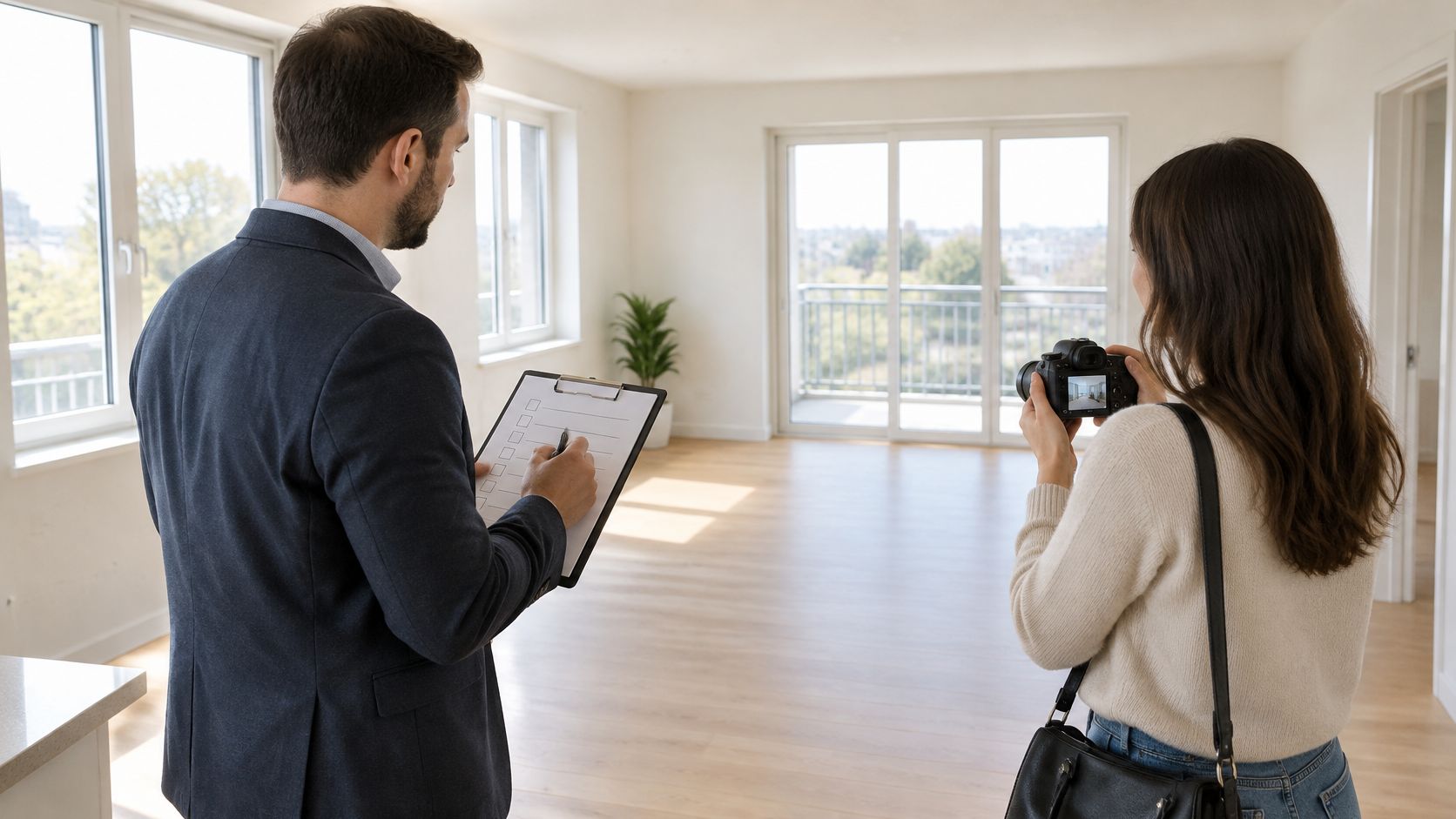
What should the room-by-room record include?
A repeatable route prevents omissions. Start at the entry, continue through living and dining areas, then check the kitchen, bathrooms, bedrooms, storage and applicable exterior spaces.
- Surfaces and fittings. Record flooring, walls, ceilings, trim, cupboards, counters, closet shelving and supplied window coverings.
- Appliances. Note interior condition, missing components, damaged seals and whether normal operating controls respond.
- Disagreement. Preserve the tenant's comments instead of removing a disputed observation.
- Evidence. Take an establishing photograph and a close-up of each defect, keeping the original files.
Say a Pitt Meadows tenant identifies scratches beside a bedroom doorway at move-in. Recording their location and appearance gives the landlord a useful comparison at move-out, unlike a general note that the flooring is worn.
A photograph shows appearance. The condition report records what the parties inspected and where they agreed or disagreed.
The landlord should track signed-report delivery separately from inspection completion. Brookside's guide to BC landlord inspection rules, notice and checklists provides additional context for organizing that process.
2. Smoke and carbon monoxide alarm checks
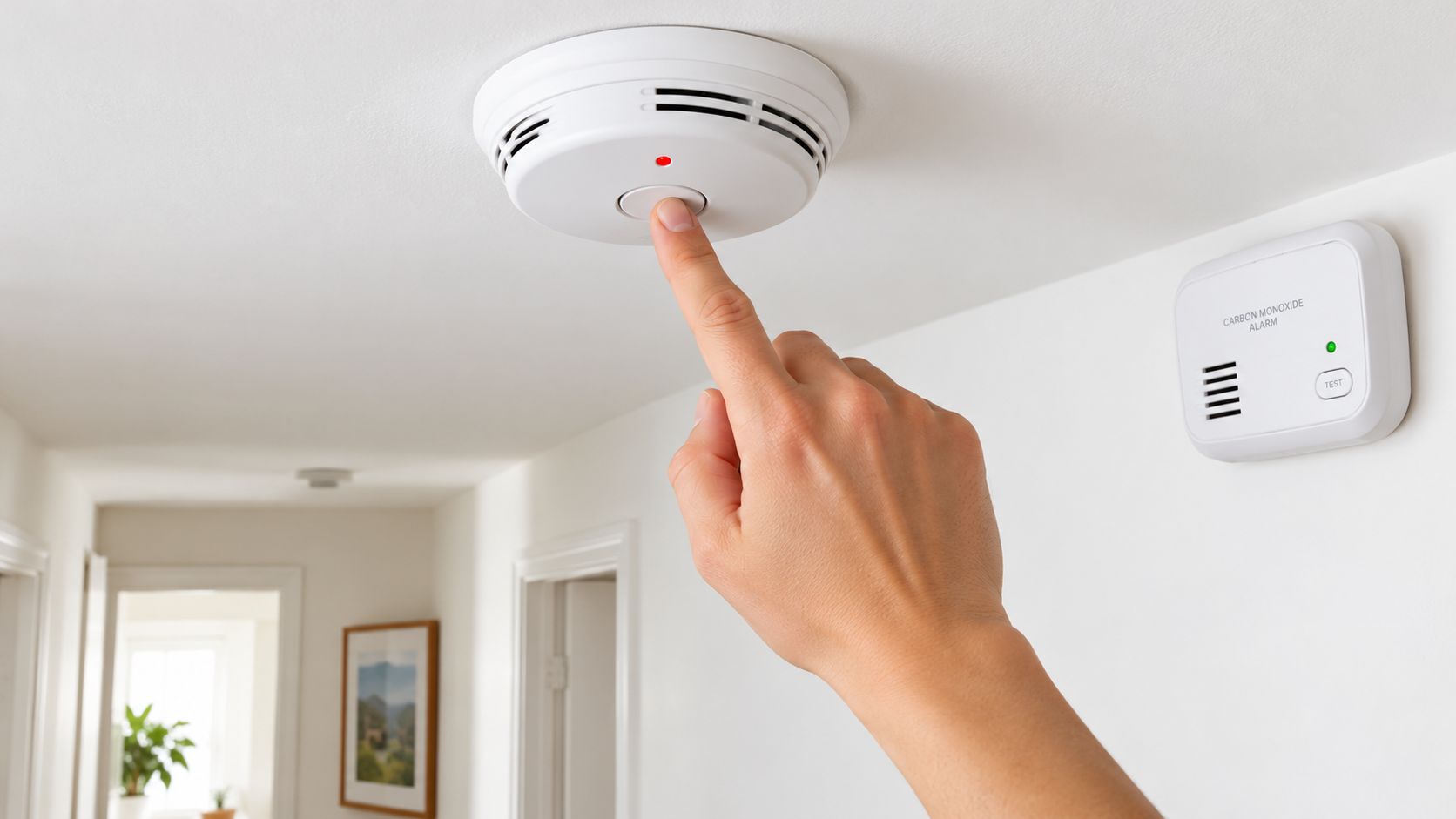
A hallway alarm chirps during a rental inspection in Pitt Meadows. Check the device instructions before replacing anything. The sound may signal a battery problem, an end-of-life warning or another fault.
List smoke alarms and applicable carbon monoxide alarms as individual devices. Requirements depend on the property. Confirm required placement and equipment with the local fire authority, since neighbouring homes may have different needs.
What should the alarm log record?
- Device identity. Record the room, manufacturer, model and visible manufacture or replacement information.
- Test result. Use the test control as directed and record whether the alarm responds.
- Physical condition. Note missing units, loose mounting, paint contamination and obstructed openings.
- Action taken. Record battery or alarm replacement, or a technician referral, along with the completion date.
If a tenant reports intermittent chirping, identify the warning using the device instructions. Replace the appropriate component or alarm, then record the action and successful follow-up test. Keep the log with the rental's inspection records, and use dated photos to document visible damage, loose mounting or an obstructed alarm.
A quiet alarm does not prove it works. A successful button test also does not confirm the home has the right alarm layout. Record the test result and check the required placement separately.
Give tenants clear instructions for reporting faults and responding to an emergency alarm. Explain which issues can be reported for routine maintenance and which call for an urgent response.
Treat a gas smell, suspected combustion problem or carbon monoxide warning as an emergency call-out. The Encano Plumbing & Drainage safety guide covers warning signs around fuel-burning equipment. Landlords should leave diagnosis of that equipment to qualified professionals.
3. Plumbing, water heater and leak inspection
A kitchen cabinet can look sound from the doorway while a supply connection drips inside it. Plumbing checks need running water, a flashlight and a clear view of accessible connections.
In a Maple Ridge rental, a small under-sink leak might first appear as a swollen cabinet edge rather than a puddle. Photographing the swelling is useful, but identifying and repairing the source matters more.
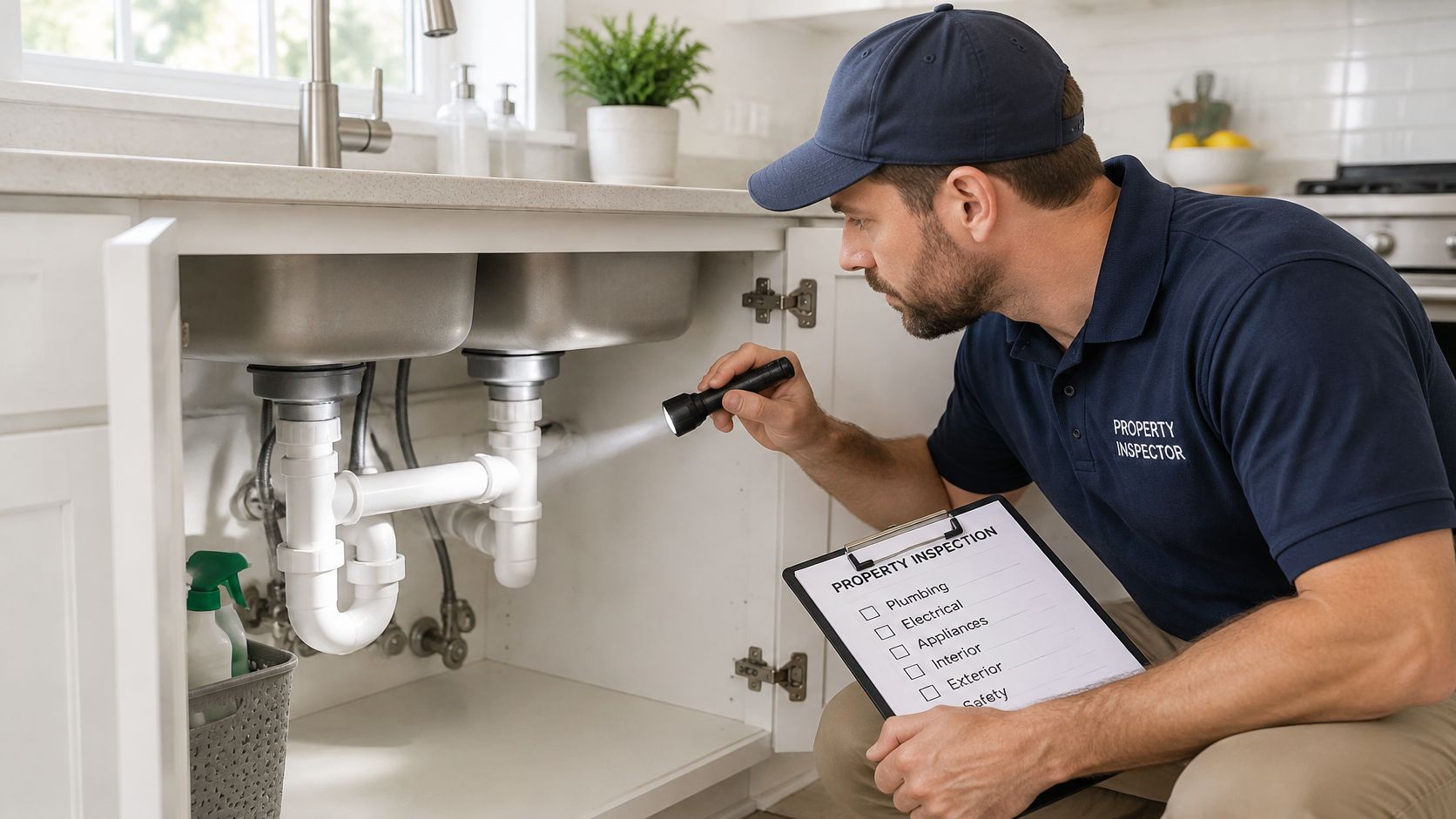
- Kitchen. Run the faucet, watch accessible supply and drain connections, and check the cabinet base for staining or softness.
- Bathrooms. Flush toilets, watch for continued running, and inspect around the base, vanity, tub and shower.
- Laundry. Look for damaged hoses, damp flooring and staining around accessible connections.
- Water heater. Record visible corrosion, moisture, unusual discharge and equipment information without adjusting safety components.
- Lower levels. Check accessible basement and crawl-space areas for staining, damp odours and water trails.
Which records make a leak repair traceable?
The file should connect the initial observation, tenant report, plumber's findings and completed repair. A photograph of a dry cabinet after repair helps confirm the immediate result, while a later check can establish whether moisture has returned.
Rust near a Pitt Meadows water heater warrants professional assessment, not an automatic conclusion that the tank must be replaced. The plumber's diagnosis and service invoice provide better support than a landlord's visual guess.
Tenants should know how to report leaks promptly and where an accessible emergency shutoff is located. Before colder weather, Brookside's rental-property winterization guide can help landlords organize related preventative work.
4. Heating, cooling and ventilation system checks
A Pitt Meadows townhome with condensation above the shower needs more than a fresh coat of paint. Check whether the exhaust fan moves air, record the symptom and arrange a qualified assessment if airflow seems weak. A fan that runs can still provide poor ventilation.
Check heating and cooling by observing normal operation. A lit thermostat alone does not confirm that the system responds or delivers heat throughout the home. In Maple Ridge and Pitt Meadows, note rooms that remain noticeably uncomfortable, then keep the observation with the maintenance record.
- Heating response. Operate the thermostat as intended and record any rooms that remain uncomfortable.
- Airflow. Check accessible filters, supply registers and return grilles for dirt or obstruction. Record filter details and any needed service.
- Bathroom exhaust. Confirm the fan operates. A light tissue near the grille can indicate airflow, but it is not a technical test.
- Cooling equipment. Note visible condensate leakage, damaged insulation or unusual vibration. Leave technical diagnosis to a qualified service provider.
- Service history. Keep technician recommendations and completed-work invoices with dated photos of visible issues.
Do not remove combustion covers or troubleshoot refrigerant equipment during a routine inspection. The landlord's role is to observe normal operation, maintain accessible components appropriately and arrange technical service where needed. Keep the equipment manual and service records alongside the inspection notes.
Written thermostat and filter-access instructions can reduce confusion after equipment changes. Brookside's discussion of air conditioning and comfort in a condominium sale offers related ownership context, while the rental's equipment manual and service records should guide maintenance.
Keep the record practical: document the symptom, dated photos where useful, the technician's diagnosis and the completed work. Avoid turning a visual observation into an unsupported technical conclusion.
5. Electrical system and safety device checks
A kitchen breaker trips when the microwave and toaster run together. Repeatedly resetting it does not establish that the circuit is safe. Record the location, appliances involved and any electrician's findings in the maintenance file.
Keep the walkthrough visual and user-accessible. Leave panel covers, wiring and damaged electrical devices to a qualified electrician. In Maple Ridge and Pitt Meadows rentals, clear records help connect a reported fault to the repair, especially when the issue returns.
Use this quick record as you check:
- Outlets and switches. Note cracked covers, loose fittings, discolouration or reported intermittent operation.
- GFCI devices. Use accessible test and reset controls according to the manufacturer's instructions. Record any failure.
- Lighting. Check supplied fixtures for damage, missing covers or unreliable operation.
- Panel access. Make sure the panel is not blocked and its existing labels are readable. Do not open the cover.
- Cord use. Note damaged cords or extension cords used in place of permanent wiring.
A bathroom GFCI receptacle in a Maple Ridge unit may still supply power while failing its test button. Record the failed test, inform the tenant of the concern and arrange an electrician's assessment. Power alone does not confirm the device is working correctly.
Electrical protection needs depend on the installation and applicable standards. Have a licensed electrician determine what protection or corrective work the rental requires. The landlord's job during the inspection is to document what is observable and arrange qualified assessment, not diagnose the circuit or promise a particular fix.
Close the record with the electrician's invoice and description of the work. A dated photo of the finished outlet can show its condition, but it does not document the diagnosis or explain what was repaired. Keep both forms of evidence together in the unit's maintenance file.
6. Doors, windows and locks inspection
Security and weather protection meet at the same hardware. A patio door that needs lifting to latch may be difficult to secure and may also have alignment or drainage problems.
Check operation rather than appearance alone. Fresh paint can hide a sticking frame, while an intact-looking window latch may not engage.
In a Pitt Meadows rental, a tenant might report a patio door that jams during wet weather. The useful response is to inspect tracks, rollers, seals and operation, then arrange the appropriate repair without assuming the tenant caused the problem.
- Entry doors. Check closing, latching, deadbolt operation, hinges and weatherstripping.
- Windows. Test opening, closing and locking where designed to operate; note damaged glazing, screens and seals.
- Patio doors. Check tracks, rollers, handles, locks and accessible drainage openings.
- Interior doors. Record damaged handles, rubbing edges and doors that won't latch.
- Keys and access devices. Reconcile issued and returned keys, fobs, remotes and storage-access devices.
How should security changes be documented?
The report should identify the affected opening and describe the actual defect. A note that the front door is difficult to lock is more useful when it explains whether the bolt binds, the latch misses the strike plate or the key won't turn.
Rekeying may be sensible when missing keys create a security concern. Changes during an occupied tenancy should follow the applicable tenancy process, with current requirements confirmed before work proceeds.
Brookside's tenant move-out checklist can help organize access-device returns alongside the final walkthrough. Record maintenance concerns separately from allegations of tenant damage, even when both appear on the same door.
7. Exterior, roof, gutters and drainage inspection
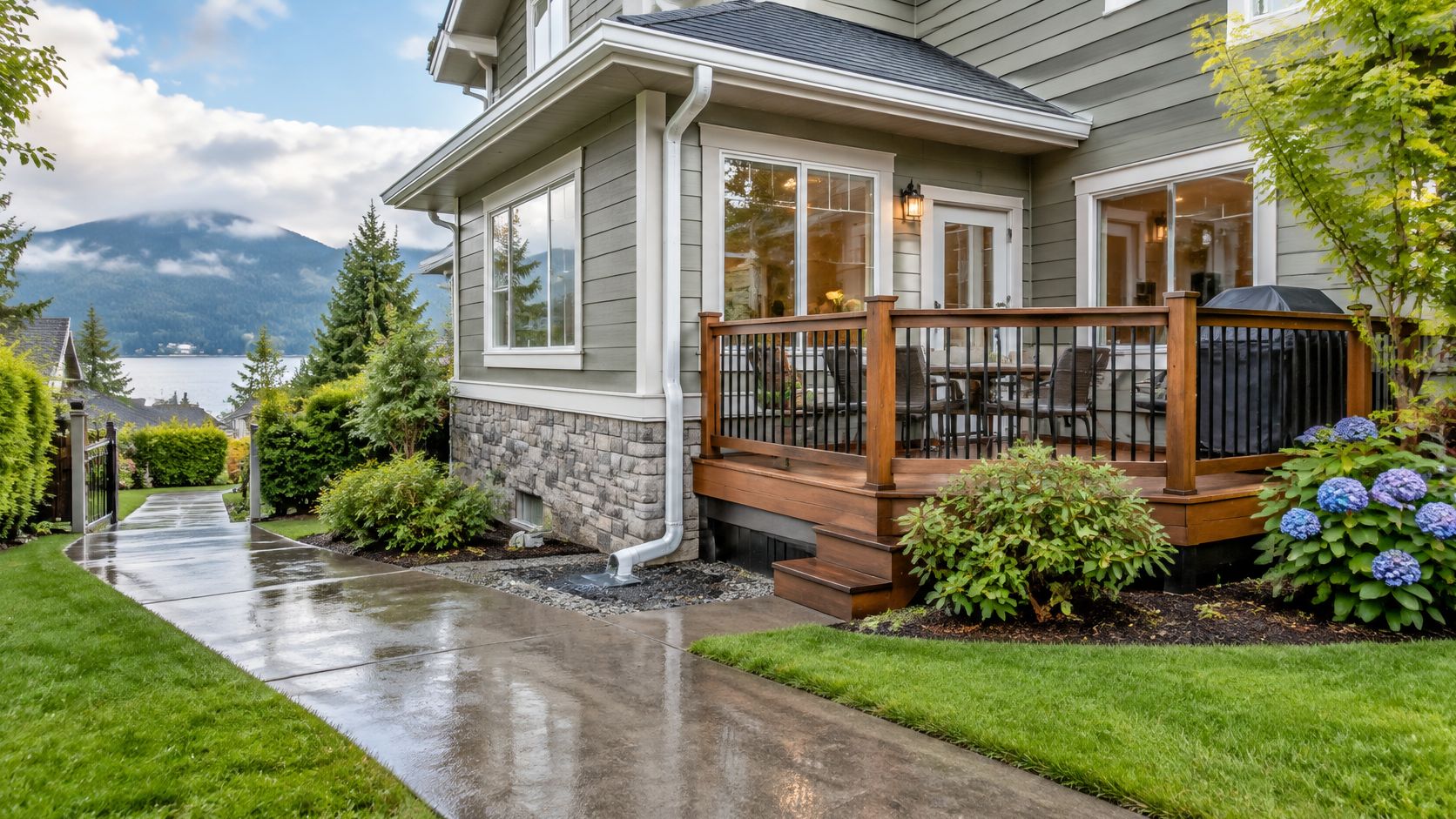
After heavy rain, trace where water goes. Start at the roof edge, then follow gutters and downspouts to the ground. In Maple Ridge and Pitt Meadows, record drainage conditions during wet weather as well as during a routine inspection. BC's housing climate-adaptation report describes localized flooding linked to late-season atmospheric-river events.
What should the exterior record show?
Check roof edges from a safe position for displaced materials or visible damage. Note overflowing gutters, debris, disconnected downspouts, and outlets that leave water beside the foundation. At ground level, photograph pooling, settled paving, and soil that slopes toward the building. Include accessible deck surfaces, stairs, treads, and railings, along with parking or storage areas included in the rental.
If water collects beside a Maple Ridge basement wall, record the weather, exact pooling location, and any interior signs. Keep dated photos with the inspection report, then attach the contractor's proposed correction and service records. A later photo at the same location helps document whether the repair changed the drainage.
A dry-weather photo records visible condition. A safely taken photo during rain shows where water travels.
Do not access the roof or diagnose concealed drainage yourself. Arrange a suitable professional assessment, and refer relevant exterior concerns to strata management when the property is part of a strata. Keep maintenance documentation alongside your records on rental-property insurance coverage. An inspection checklist records conditions; it does not determine whether a particular loss is insured.
8. Mould, ventilation and pest inspection
A dark patch behind a bathroom vanity calls for a moisture check. Possible sources include plumbing, rainwater entry, condensation or a combination. Record the affected area and nearby conditions before arranging repairs.
Pest reports also need a location-specific response. Document signs and arrange appropriate assessment or treatment rather than assuming the cause. In attached housing, coordinate access and, where needed, communicate with strata management.
During an occupied inspection, follow BC's guidance on condition inspections during a tenancy. Photograph building conditions, not tenants' personal belongings. If furniture or stored items block access, note the limit and arrange follow-up with the tenant. Do not record an area as clear when it could not be inspected.
For a useful record, connect observations to the location and any later repair:
- Moisture: Note affected surfaces, nearby plumbing, stains and condensation.
- Ventilation: Record whether fans operate, grilles are blocked or airflow is restricted.
- Pest signs: Photograph droppings, gnawing, entry gaps or reported sightings. Avoid disturbing hazardous material.
- Follow-up: Keep professional assessment notes, treatment details, recommendations and repair history. Link later reports to the original location.
If mould behind a Maple Ridge vanity leads to discovery of a leaking supply connection, repair the leak before cosmetic restoration. Concealed moisture may need further professional assessment.
For a Pitt Meadows tenant reporting ants, record the reported location and response. Sealing entry gaps may help, while recurring activity may call for professional identification and treatment. Keep the relevant service records with the inspection notes so the condition and follow-up are traceable.
How the eight inspection areas compare for risk, reference sources and records
| Item | Main Risk Addressed | Key Reference Source | Evidence to Record |
|---|---|---|---|
| Move-in and move-out condition inspections under the BC Residential Tenancy Act | Disputes over damage and security deposits | BC Residential Tenancy Act; Residential Tenancy Branch Form RTB-22 | Signed, dated condition reports; photos or video; tenant's forwarding address |
| Smoke and carbon monoxide alarm checks | Fire, carbon monoxide exposure, and alarm failure | BC Building Code; BC Fire Code; local fire department | Alarm locations, test results, manufacture dates, and replacements |
| Plumbing, water heater and leak inspection | Undetected leaks, water damage, and mould | Residential Tenancy Branch | Fixture and toilet checks; visible leak or water damage notes; service records |
| Heating, cooling and ventilation system checks | Heating failure, poor ventilation, and indoor air quality concerns | BC Building Code; Technical Safety BC | Equipment operation, filter changes, vent and fan checks, and service records |
| Electrical system and safety device checks | Electrical shock, fire, and unsafe wiring | Canadian Electrical Code; Technical Safety BC | Outlet and GFCI test results; panel observations; repair invoices |
| Doors, windows and locks inspection | Unauthorized access, security issues, and drafts | Residential Tenancy Branch | Door, window, and lock checks; keys issued; repair notes |
| Exterior, roof, gutters and drainage inspection | Water intrusion, structural damage, and exterior safety hazards | Maple Ridge local building and bylaw services; Pitt Meadows local building services | Photos; roof, gutter, drainage, and railing observations; maintenance records |
| Mould, ventilation and pest inspection | Mould growth, pest infestation, and indoor air quality concerns | Residential Tenancy Branch; BC Lung Association | Moisture or mould observations; pest reports and treatments; ventilation checks |
Turn the Checklist Into a Routine Landlords Can Keep
A useful inspection ends with assigned work, not a folder of photographs. Every defect should have a clear status, whether that means monitoring, a booked repair, professional assessment or confirmation that work is complete.
Keep the current official Condition Inspection Report, dated photographs, tenant correspondence and service records in the same tenancy file. Use consistent room names so a bathroom ceiling photograph can be matched to the report entry and the ventilation repair invoice without guesswork.
Keep inspection dates separate from delivery deadlines
Inspection completion and report delivery are different tasks. BC's move-in inspection guidance says the move-in report must be provided within seven days, while the move-out report must be provided within fifteen days of the later of inspection completion or receipt of the tenant's written forwarding address.
Landlords should confirm current notice, participation and inspection requirements with the Residential Tenancy Branch before each tenancy and before entering an occupied rental. An inspection schedule doesn't replace lawful notice or the tenant's privacy rights.
Seasonal maintenance should reflect the actual property. Heating service before colder weather, drainage checks around wet periods and alarm checks during scheduled inspections are practical starting points.
- Before attendance. Review previous defects, tenant reports, outstanding work and access arrangements.
- During the walkthrough. Use the same route, describe conditions clearly and collect focused evidence.
- After attendance. Deliver required records, assign repairs and save invoices.
- At close-out. Confirm completion and arrange another check when the cause or repair outcome remains uncertain.
Separate repair decisions from deposit decisions
A landlord can arrange a necessary repair without first deciding who is financially responsible. Keeping those decisions separate helps prevent an urgent maintenance issue from becoming an argument that delays the work.
BC's moving-out guidance explains the importance of the inspection process and the consequences that failures can have for security-deposit claims. Before pursuing a disputed claim, landlords should check the current Residential Tenancy Branch process or obtain legal advice.
Electrical, gas and major building-system work should be referred to appropriately licensed or qualified trades. The landlord's checklist identifies concerns; the trade's assessment establishes the repair scope.
For a landlord checking a Maple Ridge or Pitt Meadows rental this week, the priority is straightforward: establish the baseline, inspect safely, record specifically and finish the follow-up. Consistent records are more useful than an elaborate checklist that no one completes.
Royal LePage Brookside Realty's licensed residential property management team in Maple Ridge can discuss how inspections, repair coordination and tenancy records are handled for a rental. Landlords who prefer support with scheduling and documentation can visit Royal LePage Brookside Realty to contact the brokerage about their property.