No, selling a tenanted home in British Columbia doesn't end the tenancy. The buyer becomes the new landlord and the existing lease continues under the same terms, including the rent, the deposit and any fixed-term end date.
So why does the listing date get treated as the move-out date? A Maple Ridge owner can put a rented house on the market next week and still be nowhere near vacant possession, because the document that controls the timeline is the tenancy agreement, not the listing agreement. Anyone working out how to sell a house with tenants in Maple Ridge or Pitt Meadows has to test the sale path against the notice rules first, then set the price and book the photographer.
Table of Contents
- Does Selling a Tenanted House End the Tenancy
- Showing Notice Rules and a Documented Protocol
- Ending the Tenancy Before Vacant Possession
- Pricing and Buyer Demand for an Occupied Home
- Choose Your Sale Path Before You List
Does Selling a Tenanted House End the Tenancy
The assumption that a sale clears the house out is wrong, and it's the most expensive assumption a seller can carry into a listing appointment. The Province of British Columbia's guidance on selling a rental property states that when a rental property is sold, the buyer becomes the new landlord and the existing tenancy continues under the same terms, which means the purchaser generally inherits the rental agreement, its rent, deposits, responsibilities and other contractual conditions. A sale isn't permission to ask the tenant to leave.
Say a Maple Ridge seller has a tenant on a fixed term that runs into the spring. Listing next month doesn't create a vacant house next month. It creates a tenanted listing, and the buyer pool splits immediately between investors who want that income and owner-occupiers who want the keys.
The paperwork side of a tenanted sale is ordinary conveyancing with extra documents attached.

Sale with tenant in place versus vacant possession
| Factor | Tenancy continues | Vacant possession |
|---|---|---|
| Tenancy after sale | Continues under the same terms | Must end lawfully before possession |
| Rent, deposit and fixed-term dates | Passed to the buyer with the tenancy | Settled before completion |
| Showing access | Written notice or tenant permission for each visit | Depends on tenancy status; confirm before listing |
| Pricing input | Verified rent roll, lease and expense records | Vacancy date and property condition |
| Purchase agreement | Must address possession and tenant obligations | Must state the possession date and how the tenancy ended |
What the buyer inherits, and what the seller still owes
The deposit doesn't evaporate at completion, and neither does the fixed-term end date. Practically, the seller hands over the signed tenancy agreement, any amendments, the deposit records, the rent ledger and the condition inspection reports, and the lawyer reconciles rent and deposit amounts in the closing statements. Royal LePage Brookside Realty handles tenancy agreements, inspections, notices and statements in line with the BC Residential Tenancy Act and Royal LePage brokerage standards, which is the standard a seller should expect from whoever is managing the file.
Sellers who want the statutory framework in plain language can start with this explanation of the BC Residential Tenancy Act before making promises to a buyer about possession.
The purchaser-use exception and its limits
There's one route that ends a tenancy because of a sale, and it's narrow. Where the buyer or an eligible close family member intends to occupy the unit, the buyer must give the seller a written request before possession, and the seller may then serve the prescribed Three Month Notice to End Tenancy for Purchaser's Use, RTB-32P. Alternatively, after completion the buyer becomes the landlord and issues that notice directly. Serving the notice can't be made a condition of the sale.
Good faith is the hinge. The Residential Tenancy Branch policy guideline on purchaser occupancy requires the person moving in to intend, in good faith, to occupy the unit for at least 12 months, and warns that a bad-faith eviction can result in an order to pay up to 12 months' rent to the displaced tenant. Clearing out a tenant so the home can be quickly re-rented isn't an owner-occupancy plan.
Practical rule: the lease sets the sale timeline, not the listing date. Choose the path, confirm the timing, then price.
That ordering matters because the two paths attract different buyers and different negotiations. An investor negotiates on income and lease terms. An owner-occupier negotiates on possession, and will push hard for a date the seller may not be able to deliver. Writing a possession promise into a contract before the tenancy position is settled is how a clean sale turns into a delayed completion.
Showing Notice Rules and a Documented Protocol
Access is where most tenanted sales get messy, and the rules are specific enough to plan around. The Province's landlord access rules for rental units confirm that a landlord may show a tenanted Maple Ridge or Pitt Meadows home to prospective purchasers, but the tenant must either give permission or receive written notice for each entry, delivered at least 24 hours and no more than 30 days before the showing, stating the date, time and reason for entry.
| Situation | Requirement | Key detail |
|---|---|---|
| Showing to a prospective buyer | Written notice or tenant permission | Notice at least 24 hours and no more than 30 days before the showing |
| Notice content | Date, time and reason for entry | Must be stated in the notice |
| Landlord or agent attendance | Must be present during the showing | Applies to every showing |
| Tenant not home | Showing may proceed | Only after proper notice has been given |
| Open house | Written notice or tenant permission | Not an automatic right of entry |
| Notice as a sale condition | Not permitted | The Province states notice cannot be made a condition of the sale |
An open house isn't a loophole. It follows the same notice or permission rule as a private viewing, and the landlord or the landlord's agent must attend. Once proper notice has been given, the showing can go ahead even if the tenant is out, which is why the notice itself, not the tenant's mood that morning, is what keeps the schedule moving.
Buyers walk through a lived-in home, not a staged one, and the access plan has to respect that.

A nine-step access protocol, and the slip that breaks each step
The provincial guidance on showings while selling a rental property is clear that tenants keep the right to peace and quiet while the tenancy continues, and that photography, inspections and repeat visits all sit inside that right. Run the file as a documented protocol rather than a series of favours.
- Confirm the tenancy facts before listing. Fixed-term dates, rent, deposit and any open dispute. The usual slip is listing from memory and discovering a fixed term that runs longer than the seller told the agent.
- Agree showing windows in writing. Two set blocks a week beats ad hoc requests. A verbal "anytime is fine" that never reaches writing is the most common failure point.
- Send each entry notice inside the window. A text at 9 p.m. for a 10 a.m. viewing misses the 24-hour minimum, and a notice dated six weeks out misses the 30-day maximum.
- Keep one file for every notice, attendance and tenant response. Screenshot the delivery, log the time and who attended. Scattered messages across three phones aren't a record.
- Hold open houses only with written notice or permission. Sellers slip here by treating a public open house as exempt. It isn't.
- Bundle viewings and cap repeat visits. Back-to-back appointments in one window, not five separate trips for five buyers. Repeat traffic is the top source of tenant complaints.
- Attend every showing. The landlord or agent must be present. Leaving a lockbox code with a buyer's agent is not attendance.
- Disclose in the listing documents. Tenancy, rent, deposit, fixed-term dates and material disputes. Burying the tenancy in a private remark invites a renegotiation later.
- Never say the tenant has agreed to leave unless it's documented. A hallway comment isn't an agreement, and repeating it to a buyer creates a promise the seller can't keep.
Scheduling private and open showings, managing access and gathering feedback from buyers and their agents is part of the seller listing process at Royal LePage Brookside Realty, and the access log is what makes that process defensible. Sellers who also hold rental properties can review these BC landlord inspection rules and notice requirements to see how routine inspection access differs from showing access.
A clean notice and attendance record is the strongest evidence a seller has if a showing is disputed. Confirm current Residential Tenancy Branch guidance before any notice is served.
The execution risk is treating a listed home as unrestricted inventory. Unauthorized entry, excessive showings or pressure on the tenant can create a dispute that outlasts the closing date, and a buyer watching that unfold will ask for a price reduction or walk.
Ending the Tenancy Before Vacant Possession
Vacant possession means the tenancy has lawfully ended before the buyer takes possession. The sale itself can't be the reason. Three routes get a seller there, and each carries its own timing and paperwork.
A written mutual agreement between landlord and tenant, on a stated end date, is usually the cleanest. The end of a fixed term is governed by the lease and British Columbia's rules, so read the actual clause rather than assuming the term expires into vacancy. A notice route depends on the lease terms and the reason given under Residential Tenancy Branch requirements, which is where sellers most often guess wrong. Confirm the exact route against current Residential Tenancy Branch guidance before the listing goes live, and use this overview of notice periods to end a tenancy in BC as a starting point for the conversation with a lawyer.
Here's how the sequencing works in practice. A tenant's fixed term ends in six months. The tenant agrees in writing to a move-out date inside that term, both parties sign, and the listing is timed to launch after that date is confirmed. Photography, cleaning and any minor repairs get booked after the move-out, not before. The seller now has a possession date that can survive a buyer's due diligence.
Any cash incentive or moving assistance should be agreed openly, recorded in writing and checked against the rules before it's offered. Quiet side deals create exactly the kind of dispute that stalls a completion.
Moving plans work best when the tenant is a participant rather than an obstacle.

Never market a home as vacant before the end date is confirmed in writing.
Pressure and misleading statements are the fastest way to lose control of the timeline. Have a lawyer review the agreement and any notice before it's served, because outcomes depend on the specific lease and circumstances.
Pricing and Buyer Demand for an Occupied Home
Rental context shapes what an investor will pay. In 2025, Greater Vancouver's purpose-built rental vacancy rate more than doubled from 1.6% to 3.7%, according to the Canada Mortgage and Housing Corporation's 2025 Rental Market Report, as reported by the B.C. Ministry of Housing and Municipal Affairs. That figure covers Greater Vancouver, not Maple Ridge alone, and it's time-sensitive, so check current numbers before leaning on it.
Rents moved too. In 2025, asking rents in British Columbia fell 9.6% over two years and 5.8% over one year, according to Rentals.ca, as reported by the B.C. Ministry of Housing and Municipal Affairs. An investor reading that will test the existing rent against what the unit could realistically re-rent for, not against the rent a seller hopes for.
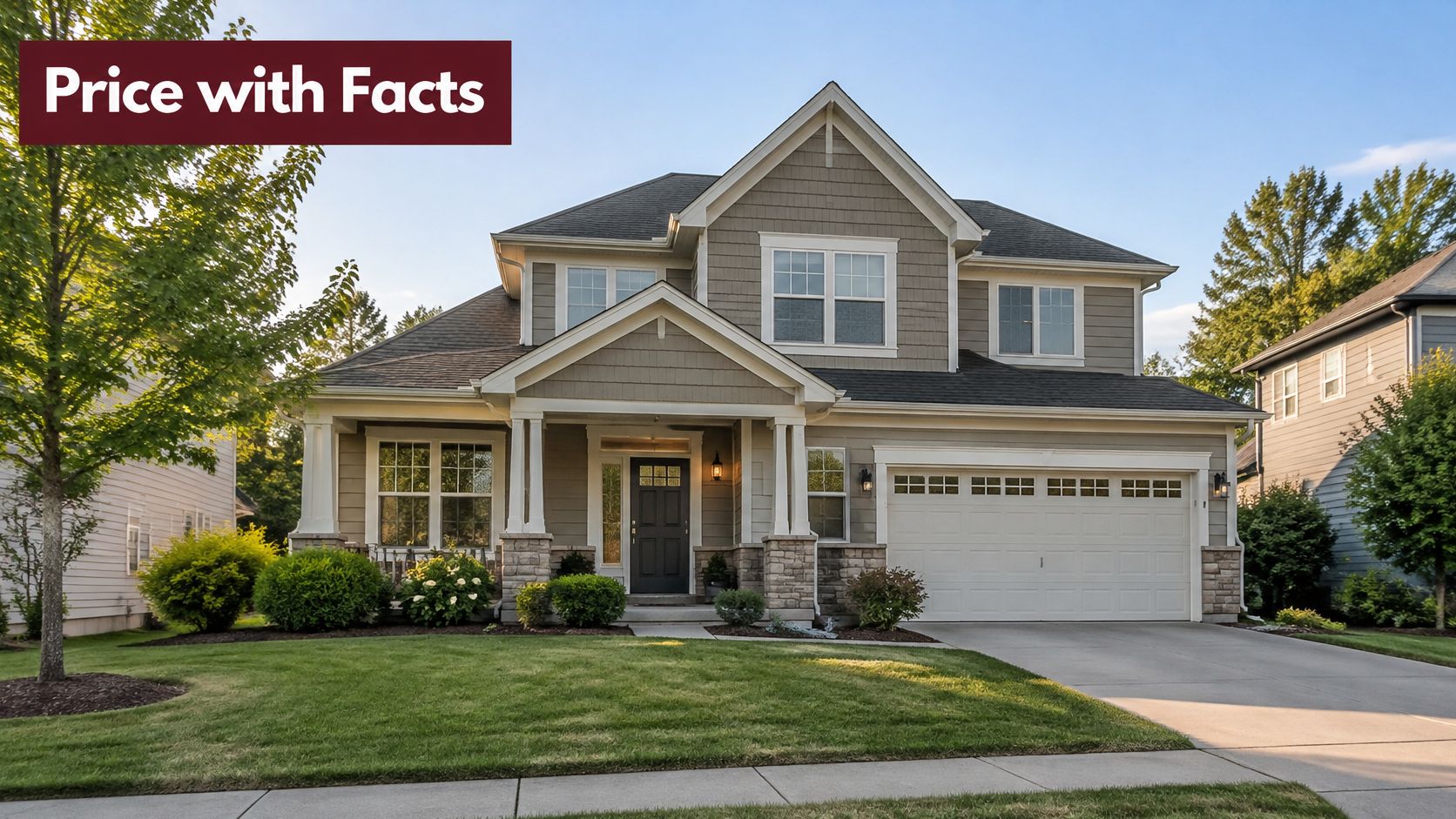
A tenanted home in Pitt Meadows shows the pricing split clearly.
The inputs to gather before any number is quoted
- Signed lease and amendments: the fixed-term end date drives every possession conversation.
- Rent amount and payment history: twelve months of ledger entries tell an investor more than a rent roll typed from memory.
- Deposit records: the amount and where it's held, ready for transfer at completion.
- Recent expense records: taxes, insurance, utilities and maintenance, so net income can be verified rather than asserted.
Take a hypothetical Pitt Meadows detached home with a tenant whose fixed term ends in six months. Marketed as tenanted, the price is argued from verified income and the lease terms, and the buyer pool is mostly investors. Marketed as vacant after a lawful end, the same house competes for owner-occupiers, but the seller carries six months of holding costs and the risk that the end date shifts. Neither path is automatically better. Assuming a vacancy date that can't be secured is the one option that reliably costs money.
Pricing preparation at Royal LePage Brookside Realty runs through a comparative market review and a pricing conversation based on recent sales, current competition and the condition of the property, and this guide to pricing a home covers how that review is built. No sale outcome is guaranteed, and every property and market is different.
Choose Your Sale Path Before You List
Five questions settle the path, and a seller can answer them in one sitting with the lease in hand.
- Fixed term or periodic? The answer changes which end routes are available.
- When does the fixed term end? That date, not the listing date, anchors the calendar.
- Investor or owner-occupier buyer? Income versus possession is the whole negotiation.
- Does the buyer intend to occupy? Good faith is a requirement, not a formality.
- Will the tenant agree to showing windows in writing? If not, plan fewer, bundled visits.
If the answers point to income and a cooperative access plan, sell with the tenant in place, price on verified records and disclose everything. If they point to an owner-occupier, the sale depends on a lawful tenancy end and documented timing, and the listing waits for that confirmation. Owners still weighing the two options can read this comparison of renting or selling a Maple Ridge home before committing.
This is general information, not legal advice, and the tenancy agreement governs each specific situation. Have a lawyer review the purchase agreement and any notice before it's served. The next practical step is a conversation about the actual lease: the contact form on the Royal LePage Brookside Realty website asks what a visitor is looking for, with options for buying, selling, landlords, tenants and investors, so choose the seller option and describe the tenancy.
Royal LePage Brookside Realty has worked with Maple Ridge and Pitt Meadows owners since 1982 on both sides of this problem, listing tenanted homes and managing rentals under the BC Residential Tenancy Act. Bring the lease, the rent ledger and the fixed-term end date, and the team will map the sale path, the showing plan and the pricing inputs before anything is booked. Visit Royal LePage Brookside Realty and send the details through the contact form using the seller option.